


Resources
 Opportunities from across the sector
News and opportunities from across the cultural sector
Opportunities from across the sector
News and opportunities from across the cultural sector 
 Risk assessing digital arts projects – a cultural shift is coming
The Online Safety Act will be a catalyst for broad cultural change in regard to ethics and online safety. The arts will not be immune from this change.
Risk assessing digital arts projects – a cultural shift is coming
The Online Safety Act will be a catalyst for broad cultural change in regard to ethics and online safety. The arts will not be immune from this change. 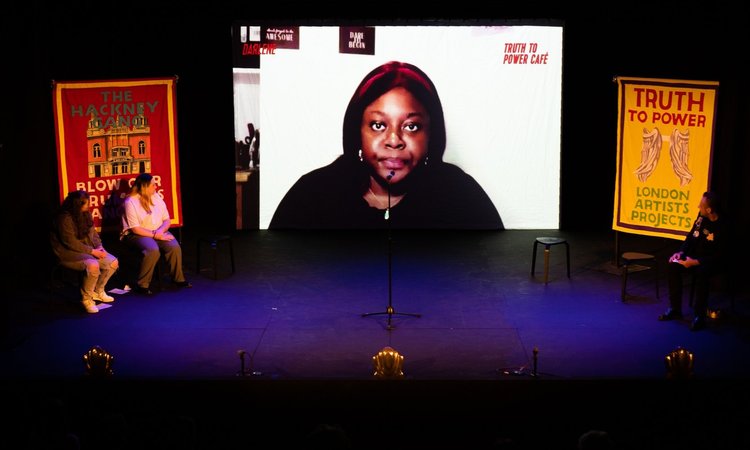 Maintaining connection and intimacy of a theatre space in screen adaptations
Jeremy Goldstein approached the transition from live to digital cautiously
Maintaining connection and intimacy of a theatre space in screen adaptations
Jeremy Goldstein approached the transition from live to digital cautiously Commissions
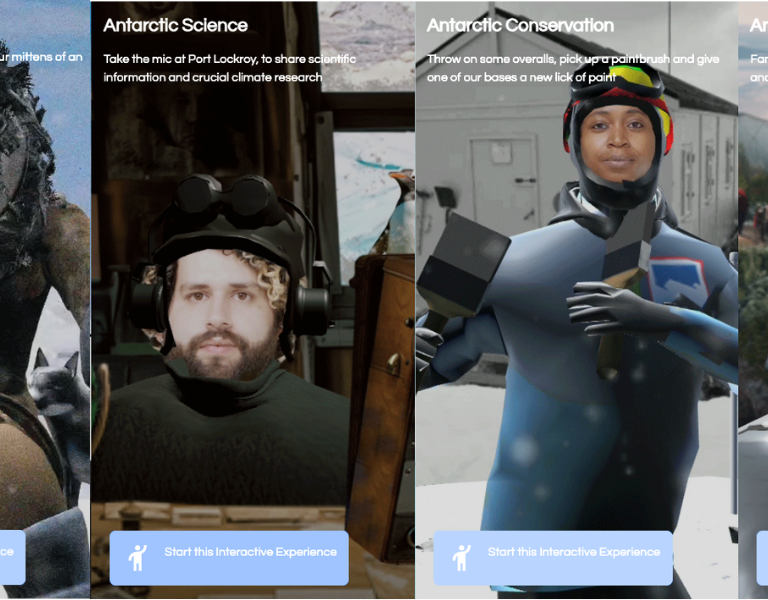 Wearing Antarctica
Wearing Antarctica is a project by The UK Antarctic Heritage Trust that explores 6 eras of polar exploration via digital interactive experiences about clothing and human stories on the white continent.
 Vocalize. Training the voices of the future
Create your own voice reel with Vocalize and Hayley – one of the world’s leading AI voice over agencies
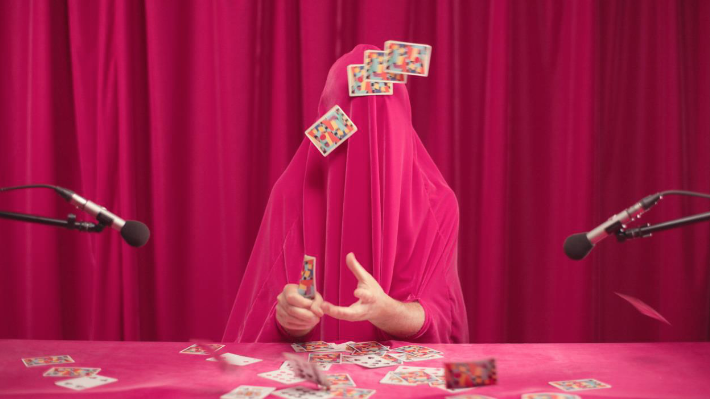 Explore the hidden choreography of everyday life in PASSING
Experimenting with sensory modes of seeing, PASSING proposes a more personal way of ‘seeing’
About us
Welcome to The Space. We help the arts, culture and heritage sector to engage audiences using digital and broadcast content and platforms.
As an independent not-for-profit organisation, our role is to fund the creation of new digital cultural content and provide free training, mentoring and online resources for organisations, artists and creative practitioners.
We are funded by a range of national and regional agencies, to enable you to build your digital skills, confidence and experience via practical advice and hands-on experience. We can also help you to find ways to make your digital content accessible to new and more diverse audiences.
We also offer a low-cost consultancy service for organisations who want to develop their digital cultural content strategy.
Funding information
We provide a range of opportunities for the UK arts and culture sector. We’ll be announcing information regarding the 2023 commissioning round during the Spring.